

Real Leather vs Synthetic: What No One Tells You
For years, we’ve been told the same story: synthetic leather is the “better” choice. More ethical, more sustainable, more modern.
It sounds right.
But it’s not the full picture.
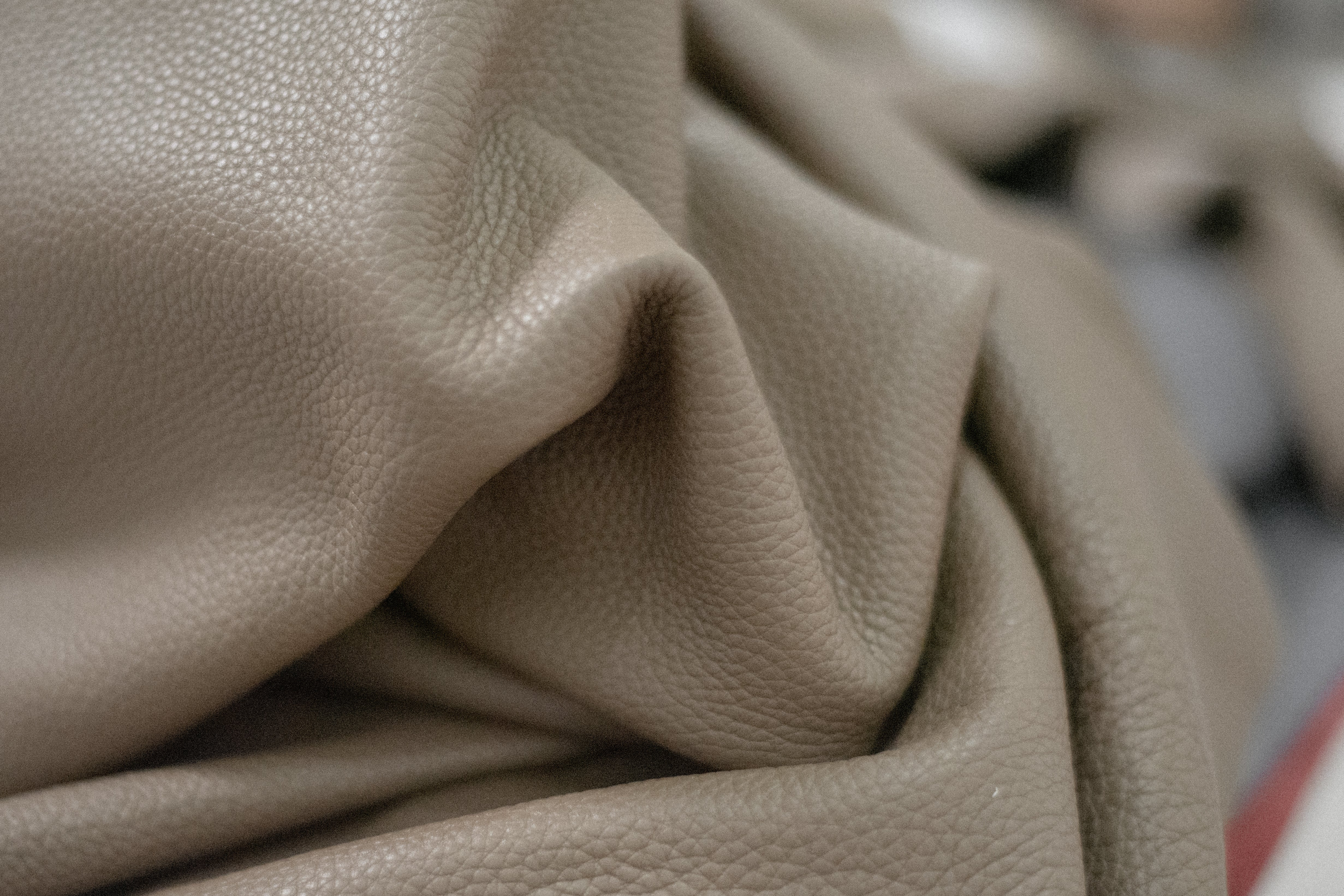
Real leather, especially the kind that comes from Tuscany, doesn’t exist because of fashion. It exists because it’s already there. It’s a by-product of the food industry—something that would otherwise go to waste. Transforming it into something durable, beautiful, and long-lasting is not excess. It’s a form of respect.
Because real sustainability isn’t just about what something is made of. It’s about what happens to it over time.

Synthetic leather, despite its name, has nothing natural about it. It’s made from plastic-based materials like polyurethane or PVC. It doesn’t breathe, it doesn’t evolve, and most importantly, it doesn’t disappear. Over time, it cracks, peels, and gets replaced. Again and again.
And that cycle—fast, disposable, invisible—is where the real impact lies.
A well-made leather bag follows a completely different rhythm.
It softens. It adapts. It carries signs of life. It doesn’t need to be replaced every season because it was never meant to be temporary.
It becomes yours.
There’s also something deeply human in the process. Real leather is not uniform. It has variations, marks, character. It requires skilled hands, time, attention. Every cut, every stitch is intentional. It’s not just manufacturing—it’s transformation.
And maybe that’s the real difference. Synthetic materials are designed to imitate. Leather doesn’t imitate anything. It simply becomes better with time.
Choosing real leather today is not about nostalgia or tradition for its own sake. It’s about stepping away from the idea that everything should be fast, flawless, and easily replaceable.
It’s about choosing something that lasts long enough to matter.

Ecrit par Sara JG


Laisser un commentaire
Ce site est protégé par hCaptcha, et la Politique de confidentialité et les Conditions de service de hCaptcha s’appliquent.